Meet Lori – SC
A Rare Diagnosis, a Life-Saving Connection
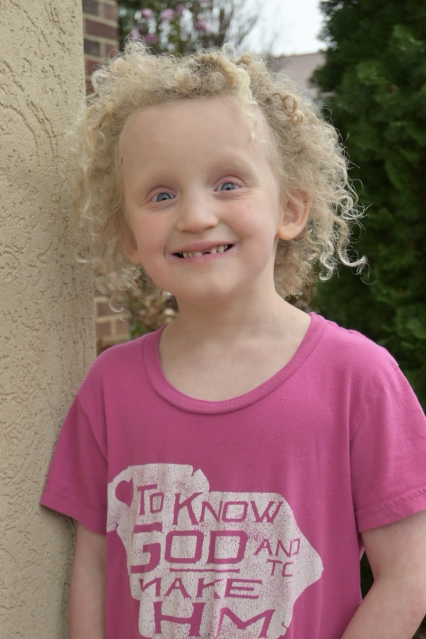
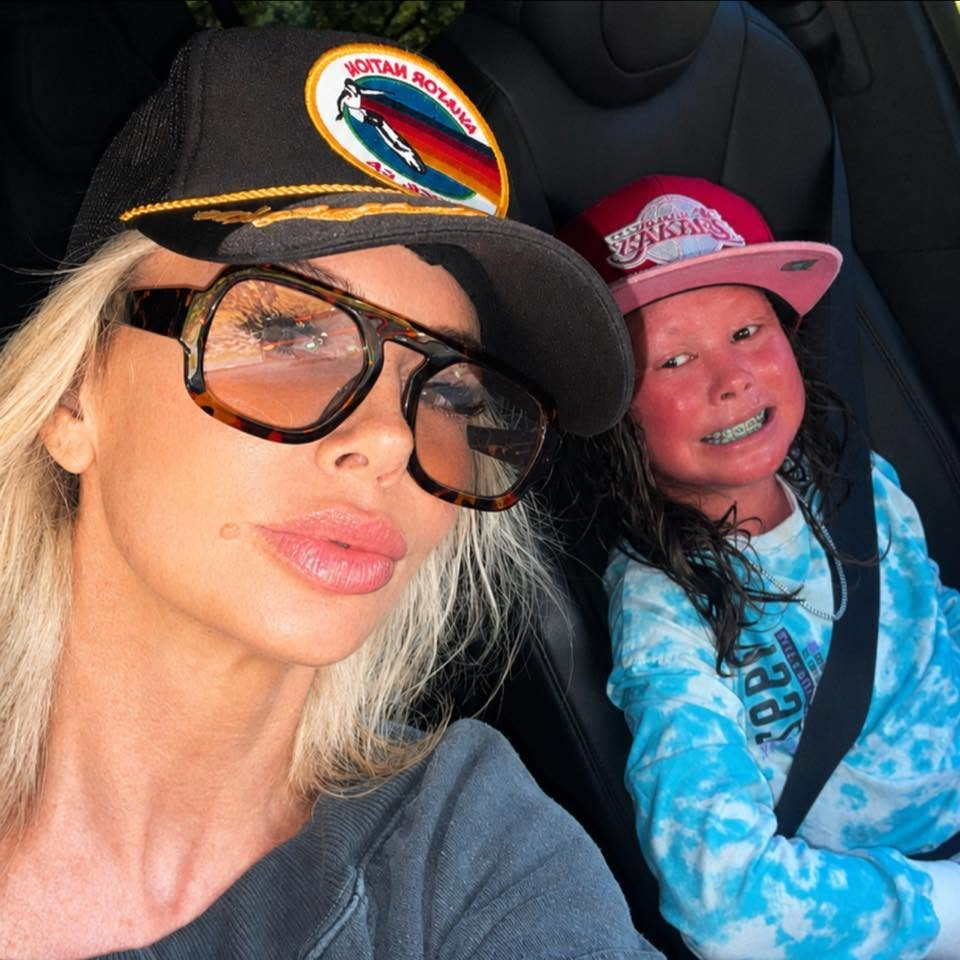
A few weeks after Camellia was born in 2017, we began noticing problems with her skin. It would become flaky, peel repeatedly, and leave her extremely itchy and red most of the time. A dermatologist diagnosed her with ichthyosis and recommended genetic testing through FIRST to identify the specific type, since there are many different variations of ichthyosis. Because genetic testing can take a long time, we waited without answers for quite a while.
In 2019, Camellia began to decline. Several symptoms appeared, but the most concerning was that she was losing weight. She was admitted to the hospital, and after several days with no clear answers, I mentioned the genetic test. Her care team contacted the researchers to expedite the results. An ECHO, or heart ultrasound, eventually showed that the problem involved her heart, and we were moved to the ICU because her heart function was lower than normal.
In the ICU, Camellia’s condition continued to worsen and her heart function kept dropping. Thankfully, answers came just in time. Her genetic test results showed that she has erythrokeratodermia cardiomyopathy (EKC), a rare form of ichthyosis that can also affect the heart. We were told that she needed to be transferred to MUSC in Charleston, where more cardiologists could help determine the right treatment. It was an emotional and uncertain time for our family.
When we arrived in Charleston, the difference was immediate. A phenomenal dermatologist there had extensive experience with ichthyosis and knew of a promising new medication. Because Camellia’s situation was urgent, we decided to try it.
Over the next several weeks, Camellia improved greatly. She was finally comfortable again—smiling, laughing, and gaining energy quickly. Her heart began to look better, too. After four weeks, she was able to have a G-tube placed, and we were allowed to go home. Once we were home, Camellia had therapy, regular checkups, and daily nursing support. Little by little, she made remarkable progress. Today, she is developmentally right where she should be.
Camellia still faces many challenges, but she is incredibly strong. Because her condition is so rare, there is not much information available, and we continue to live with many unknowns. Now seven years old, Camellia is smart, funny, and full of personality. Dragons, dinosaurs, and whales are her absolute favorite things. She has made friends and experienced so many joys in life. We are thankful for every moment we get to spend with her, even as we live with the reality that this condition could shorten her time with us.
How has FIRST impacted your life?
FIRST was instrumental in connecting us with life-saving information about Camellia’s condition. Without FIRST, I am not sure Camellia would be with us anymore. The organization helped connect our family and physicians with the expertise needed to understand her diagnosis and begin treatment quickly. We are deeply thankful for everything FIRST has done for our family..
FIRST and the registry’s role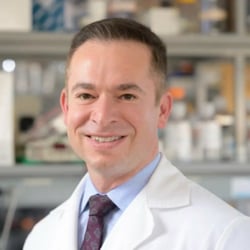
The work performed at The National Registry for Ichthyosis and Related Skin Types at Yale led to the discovery of this disorder. More importantly, this was a case where the registry helped save a life. FIRST staff identified a post in a private Facebook group and reached out to Dr. Keith Choate at Yale, who had recently identified a new type of ichthyosis that also affected the heart. FIRST connected the family’s physician directly with Dr. Choate. After the ICU contacted him, Dr. Choate expedited the testing after making a visual diagnosis from photos. Based on the results, he also directed the initiation of life-saving therapy.
Stories like Camellia’s show how connection, research, and shared experience can make a life-changing difference for families affected by ichthyosis.
What’s Your Story, We’d Love to Hear It.
Neither FIRST, its Board of Directors, Medical & Scientific Advisory Board, Board of Medical Editors, nor Foundation staff and officals endorse any treatments listed here. All issues pertaining to the care of patients with ichthyosis should be discussed with a dermatologist experienced in the treatment of their skin disorder.
More Member Stories