Overheating
Many individuals with ichthyosis, particularly lamellar ichthyosis, do not sweat normally. The thickness of their skin and the scale does not allow their sweat to reach the surface of their skin and cool them effectively. In very hot and humid weather they are at risk for overheating, heat exhaustion, and heat stroke.
FACT: People with ichthyosis do have sweat glands. However, the thickness of the skin and the scale does not allow sweat to reach the surface of their skin and cool them effectively; so many individuals with ichthyosis do not sweat normally and suffer from overheating.
FACT: People with ichthyosis do have sweat glands. However, the thickness of the skin and the scale does not allow sweat to reach the surface of their skin and cool them effectively; so many individuals with ichthyosis do not sweat normally and suffer from overheating.
Strategies for avoiding heat emergencies
- Limit physical activities and outdoor activities to the coolest parts of the day, before 10:00 a.m. and after 2:00 p.m.
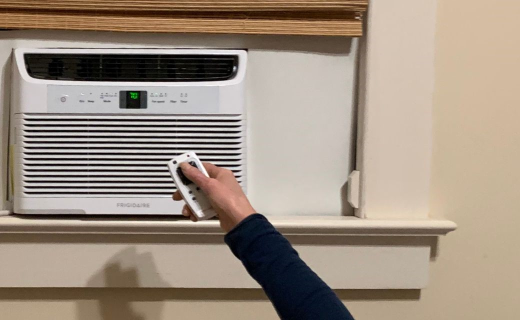
- If possible, seek out air-conditioned spaces during the hottest part of the day, 10:00 a.m. to 2:00 p.m. If you cannot be in air-conditioning, use a fan to keep air circulating around you, stay out of the sun, and rest.
- Drink lots of fluids, more than you think you need. Avoid caffeine and alcohol, which can be dehydrating.
- Use a pool, wading pool, lawn sprinkler, bathtub, or shower for frequent cooling dips.
- Wear a hat and sun protective clothing when you do need to be outdoors. Loose natural fiber clothing in light colors will help you feel cooler than dark, tight-fitting, synthetic fiber clothes.
- Use cool packs, cooling scarves or other cooling products, and spray bottles of ice water to cool down.
Early Symptoms of a Heat Emergency
- Dizziness
- Fatigue
- Muscle cramps
- Nausea
- Thirst
- Feeling weak and light-headed
Later Symptoms of a Heat Emergency
- Cool, pale skin
- Large pupils
- Headache
- Nausea and vomiting
- Irrational behavior
- Unconsciousness
Symptoms of Heat Stroke
- Dry, hot and very red skin
- Fever
- Dark urine
- Extreme confusion
- Rapid, shallow breathing
- Rapid, weak pulse
- Small pupils
- Seizures
- Unconsciousness
First Aid for Heat Emergencies
- Remove the person from the heat to a cool place where they can lie down with their feet elevated about 12 inches.
- Apply cool wet cloths (or cool water directly) to the person’s skin and use a fan to help the water to evaporate and lower their temperature. Place cold compresses on the neck, groin and armpits. Do not use alcohol rub.
- Give the person cool water to sip, Gatorade or slightly salted water (1 teaspoon salt per quart of water). Give ½ cup every 15 minutes. Do not give salt tablets, alcohol or caffeine.
- Seek medical help immediately if the person shows signs of shock (bluish lips and fingernails, and decreased alertness), has a seizure, or loses consciousness.