
Young Children
Striking a balance of understanding their limitations, without creating a culture of over-protection, is the goal. For many at this phase of life, connecting with other parents can help. Don’t forget to check out FIRST’s private Facebook group for parents for ideas and support. In Facebook, search for “FIRST Ichthyosis” and all of FIRST’s private Facebook groups will come up. Request to join the group(s) that you qualify for
At this phase, meeting affected adults at FIRST conferences and one day meet-ups can also be helpful for practical advice and serve as a powerful visual of what lies ahead.
Read on for resources that reflect member and medical professional advice.
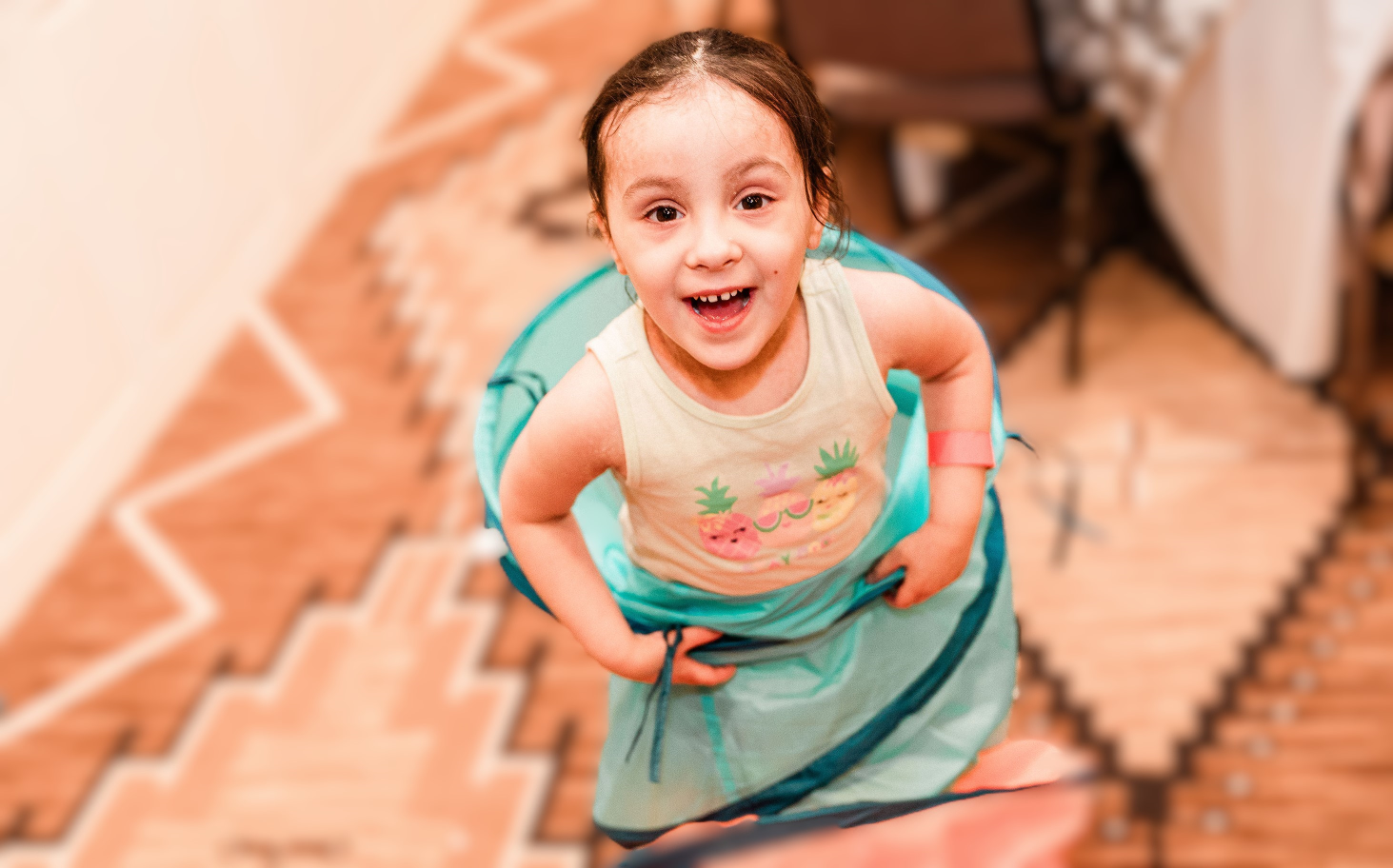

If you or your child has been a subject of teasing, taunting, or bullying, learning the most successful practices for coping with, preventing, or even transforming negative comments or perceptions, is the best solution.
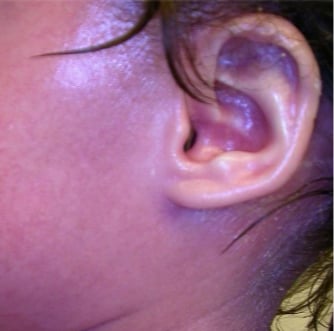
For people with ichthyosis, who shed more than the normal amount of skin, the skin inside the ear canal can combine with wax and form a solid material. This solid material may be itchy and uncomfortable for your child. It’s best to have your child’s hearing checked regularly, and discuss ways to keep the ear clean and free from skin shed build-up. Some suggestions that our members have found helpful are shared here also.
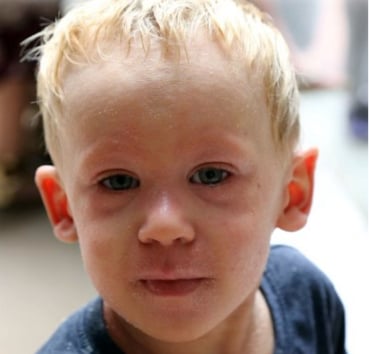
Babies born with ichthyosis may have a mild to severe case of ectropion. Ectropion is a condition whereby the skin around the eyes pulls tightly causing the eyelids to slightly turn outward. Your child should be evaluated for the presence of ectropion, which is commonly seen in cases of collodion baby or harlequin Ichthyosis. If present, it is recommended that your doctor consult with an ophthalmologist.

Since children with ichthyosis are more vulnerable than most children to temperature and the weather, overheating poses a significant problem since the child can’t get rid of body heat through sweating to the same extent as an unaffected person. Learn to tell if your child is overheating, how to prevent it from happening, and what to do when it does.

Anyone caring for a child with ichthyosis is bound to be asked a lot of questions. Whether its helping the child you are caring for understand their condition better, or from other children that you will encounter on a daily basis. We have some answers to common questions that have been written to a level so that they can understand your answer better.
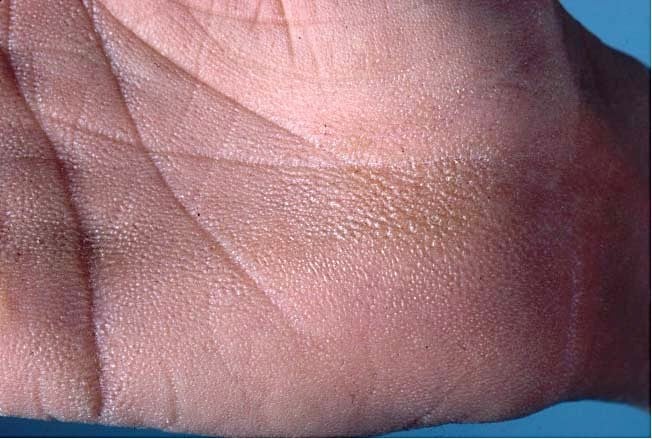
Your child with ichthyosis has an impaired skin barrier function which can leave them more susceptible to infection. Your child’s dermatologist can help you watch for fungal, yeast and bacterial infections, and teach you how to distinguish between them. All infections require prompt medical attention and can usually be treated with topical prescription ointments and creams, however some cases may require oral medication.
Retinoids are considered long term therapy because the benefits only last as long as the drug us being taken. Given the dangers associated with their use, one must weigh carefully the advantages and disadvantages. This is particularly true for children.
Scalp, Fingernails, and Scratch Care
Itching and scalp scale are common and frustrating symptoms for patients with ichthyosis, particularly in children as they are unable to “resist the itch.” Learn about some tried and true practices that can help soothe the itch and make your child more comfortable.