Expert Advice: Neonatal Dermatological Care

Neonatal Care for Ichthyosis: The Dermatologist’s Role
- To identify neonatal-period risks specific to infants with EDDs, including infection, temperature regulation, and skin barrier compromise
- To implement appropriate acute management for a neonate with a suspected EDD
- To support the family throughout the journey of neonatal care for a suspected EDD
The Yale School of Medicine is accredited by the Accreditation Council for Continuing Medical Education to provide continuing medical education for physicians.
0.5 AMA PRA Category 1 Credits
Next Steps for Doctors:
Download Official Yale CME One Pager PDF
CME Library
- Create or use your exiting Yale CME profile to get CME credit.
- Contact Yale CME Support via email here for troubleshooting.
These 6 videos are primarily focused on informing physicians and clinicians within dermatology.
These 7 videos are primarily focused on informing physicians and clinicians outside of dermatology, such as ophthalmology, otolaryngology, gynecology, general practice, pediatrics, and other members of the care team.
Amy Paller, MS, MD
0.25 AMA PRA Category 1 Credits
What is an EDD? Ichthyosis, a Form of EDD and it’s Underlying Basis
- Recognize the common forms of ichthyosis and the potential impact of this group of disorders on quality of life.
- Understand the new classification for ichthyosis, a form of EDDs, and why it developed, to realize the reason that the genetic changes leading to ichthyosis affect the barrier, and to consider the mechanisms by which potential interventions in the future could lead to improvement.
Jinia El-Feghaly, MD
0.25 AMA PRA Category 1 Credits
Neonatal Care for Ichthyosis: The Dermatologist’s Role
- Identify neonatal-period risks specific to infants with EDDs, including infection, temperature regulation, and skin barrier compromise.
- Implement appropriate acute management for a neonate with a suspected EDD.
- Support the family throughout the journey of neonatal care for a suspected EDD.
Erin Mathes, MD
0.25 AMA PRA Category 1 Credits
Infections in Ichthyosis
- Recognize and manage infection risk in patients with EDDs, using visual pattern recognition supported by crowd-sourced patient photography.
Lara Wine Lee, MD, PhD
0.25 AMA PRA Category 1 Credits
Making the Diagnosis for EDD Patients
- Apply REDDI-based diagnostic criteria to distinguish among EDD subtypes based on clinical presentation and genetic classification.
Lara Wine Lee, MD, PhD
0.25 AMA PRA Category 1 Credits
Extracutaneous Manifestations of EDDs
- Recognize extracutaneous manifestations of EDDs, including ocular, otologic, and other systemic involvement, that warrant specialist co-management.
Cheryl Bayart, MD, MPH
0.25 AMA PRA Category 1 Credits
EDD Treatments From Basic to Advanced
- Select evidence-based topical and systemic treatment approaches appropriate to EDD subtype and severity.
Meet Our Specialists

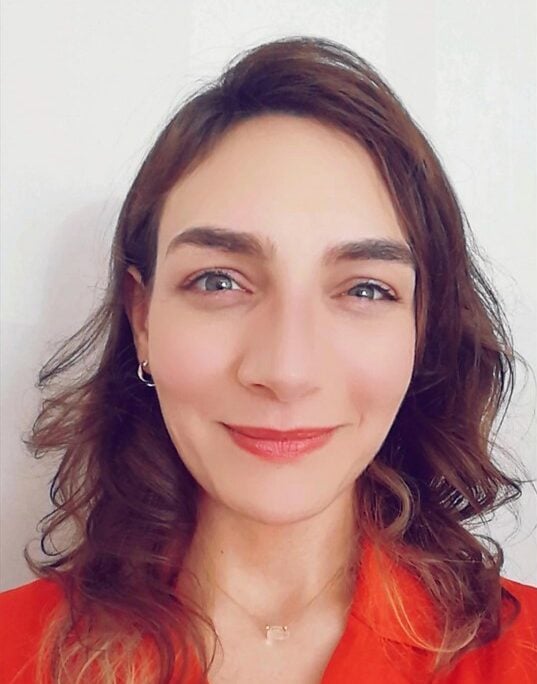



Amy Paller, MS, MD
Jinia El-Feghaly, MD
Erin Mathes, MD
Lara Wine Lee,
MD, PhD
Cheryl Bayart,
MD, MPH
Nessa Aghazadeh, MD