Meet Samiha C. – Bangladesh
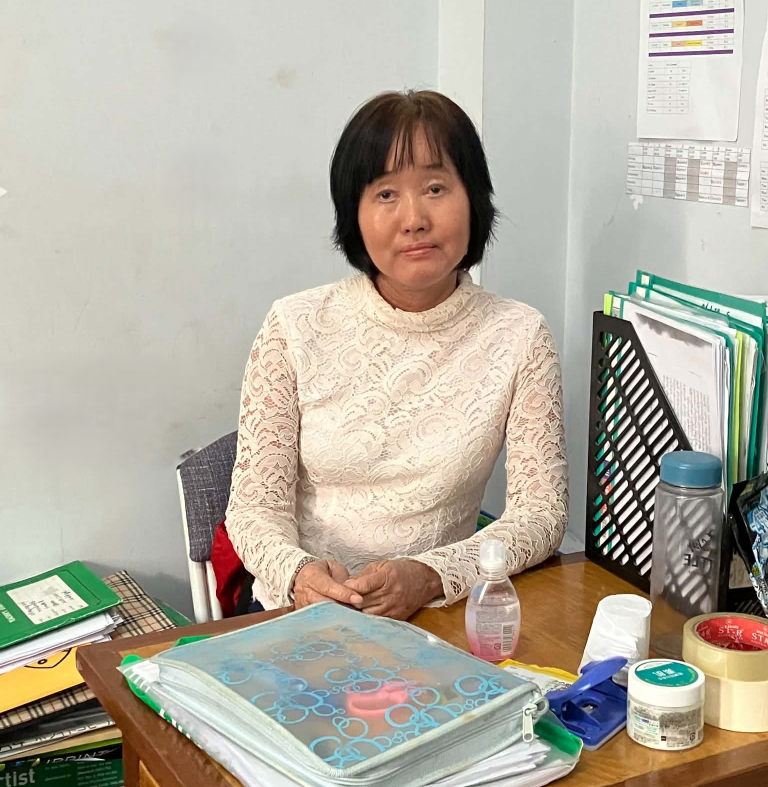
The Story of Dr. Samiha
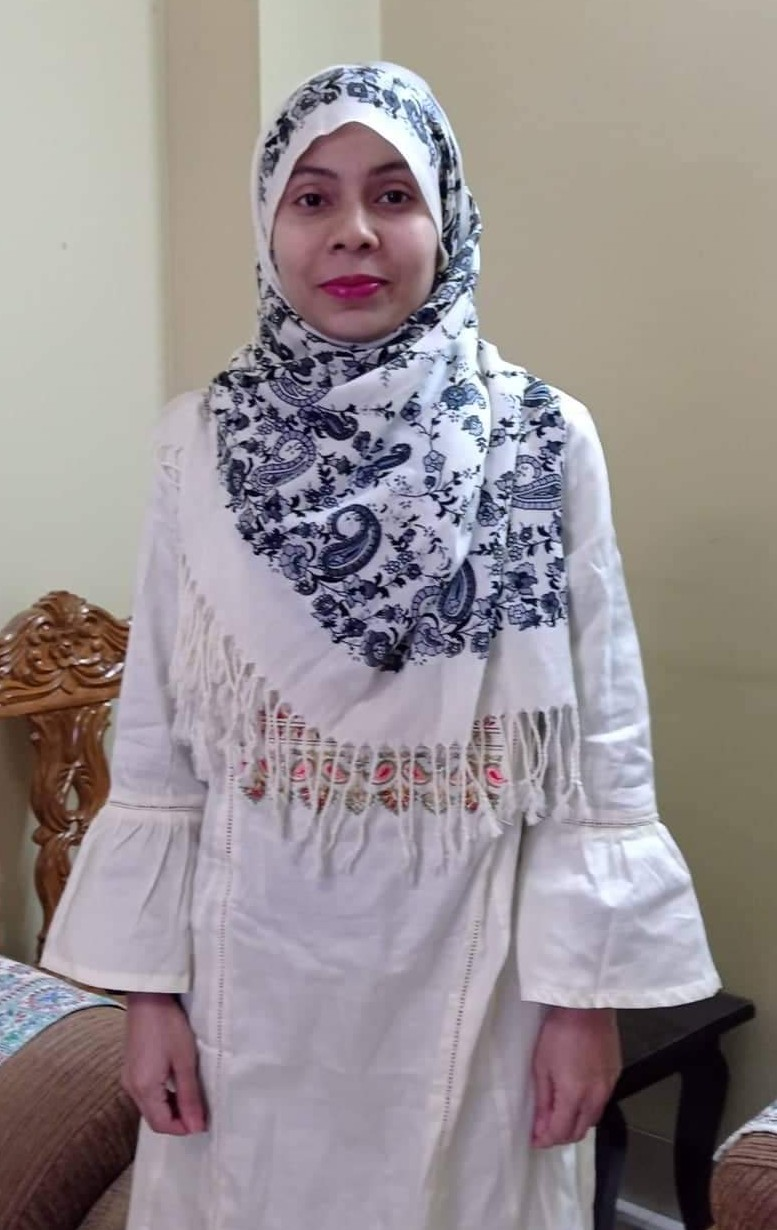
A disease is considered rare when it affects a small to very small population of patients. A country defines a rare disease most appropriate in the context of its own population, health care system and resources.
In our image-driven world, living with a rare skin disorder is challenging. I have ichthyosis vulgaris. It is a variety of ichthyosis which appears in approximately one person in every 250 to 300. Ichthyosis is a family of rare genetic skin disorders characterized by very dry, scaly skin. It occurs worldwide & neither contagious nor caused by bacteria, virus, or germs. Ichthyosis is caused by a genetic defect called mutation. Usually, mutations are inherited from family members, but can occur spontaneously in the fetus also. It is estimated that there are 30 varieties of ichthyosis. Most types are congenital while others are acquired.
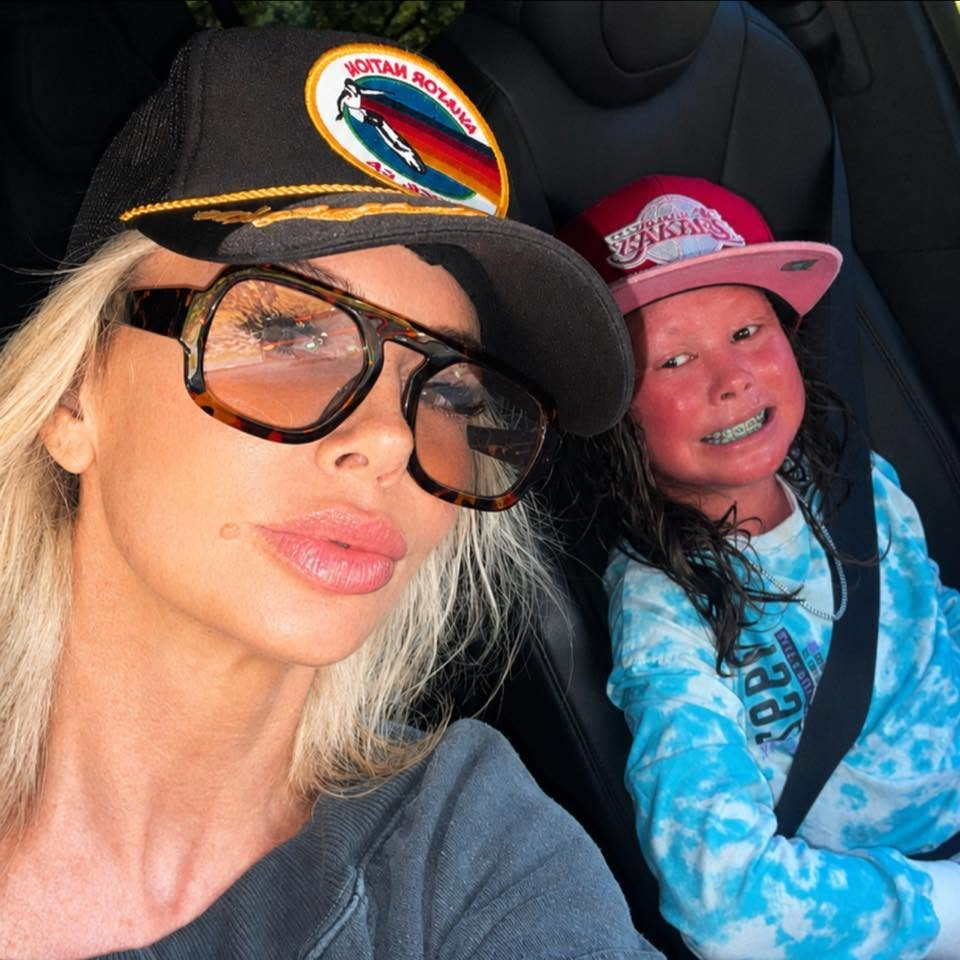
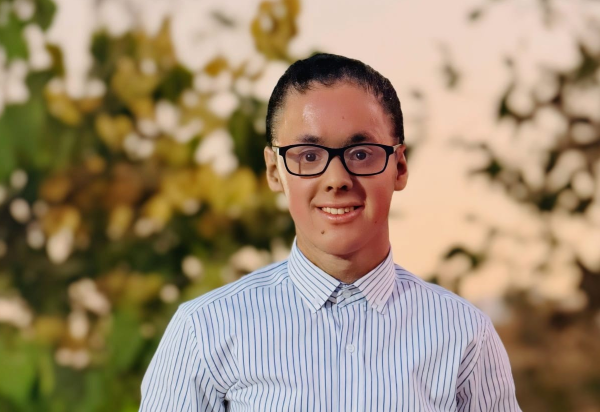
My skin cells are produced at a normal rate, but do not shed as quickly as they should. The result is build-up of fine, white scales (traffic jam of cells). My entire body is affected except the knee and elbow flexures. Palms of the hands and soles of the feet are thick and hyperlinear. With tautness and cracking of skin of the hands, performing daily chores are difficult. Rapid buildup of scales makes my skin itchy and uncomfortable. Dealing with ichthyosis every day is challenging and tiresome as my skin doesn’t function normally. The thickness of my skin and scales doesn’t allow me to cool effectively by sweating. So, I overheat easily. I have rhinitis and eczema which is common in the vulgaris variant.
When I was born, doctors couldn’t diagnose my disease and treated it as dry skin only. They said that a cure is possible. In 2005 when I was a medical student, a doctor diagnosed my skin disease as ichthyosis vulgaris and said that there is no cure, care is the only option. Knowing that, my heart shattered. I felt alone, had low self-esteem and depression. Ichthyosis isn’t very common that everyone will understand. So, I began to search for online support groups and met them in 2009. Since then, I am exchanging thoughts and experiences to keep my skin healthy and manageable. Ignorant people express negativity. As I can’t change people’s feelings, I listen to the insensitive ones politely and move on. Participating in personal interests make me emotionally strong, confident and resilient toward rudeness. I surround myself with people who support me unconditionally. Support groups are a great way to find the support I need. Awareness cards and educational booklets are also helpful to educate the community.
Inspired by people who raise awareness about ichthyosis, as a physician I started online advocacy for ichthyosis in 2010. It feels good, knowing that I am not alone and I am more than my disease. Now, I am the one who loves to educate, inspire and connect those touched by ichthyosis. Living with ichthyosis has taught me patience, resilience, and strength. I hope that my transformation, my experiences, and my success will teach, inspire, and uplift all those who are affected with ichthyosis and chronic illnesses.
What’s Your Story, We’d Love to Hear It.
Neither FIRST, its Board of Directors, Medical & Scientific Advisory Board, Board of Medical Editors, nor Foundation staff and officals endorse any treatments listed here. All issues pertaining to the care of patients with ichthyosis should be discussed with a dermatologist experienced in the treatment of their skin disorder.
More Member Stories