Congenital Ichthyosiform Erythroderma
What Is Congenital Ichthyosiform Erythroderma (CIE)?
Autosomal recessive congenital ichthyosis (ARCI) is a recently adopted term referring to a heterogeneous group of disorders that share an autosomal recessive pattern of inheritance, collodion membrane presentation at birth, and overlap in causative gene mutations.1 After shedding of the collodion membrane, skin of individuals with ARCI can show a variety of appearances. These different phenotypes have been termed lamellar ichthyosis (LI), congenital ichthyosiform erythroderma (CIE), and harlequin ichthyosis (HI). While significant overlap can occur between phenotypes and individual patients may manifest different phenotypes across their lifetime, these descriptors remain useful in classifying individuals with ARCI and often in predicting the underlying gene mutation. ARCI is a rare disorder, estimated to occur in approximately 1 in 200,000 births.2
Longterm Course
Key Findings
- Skin
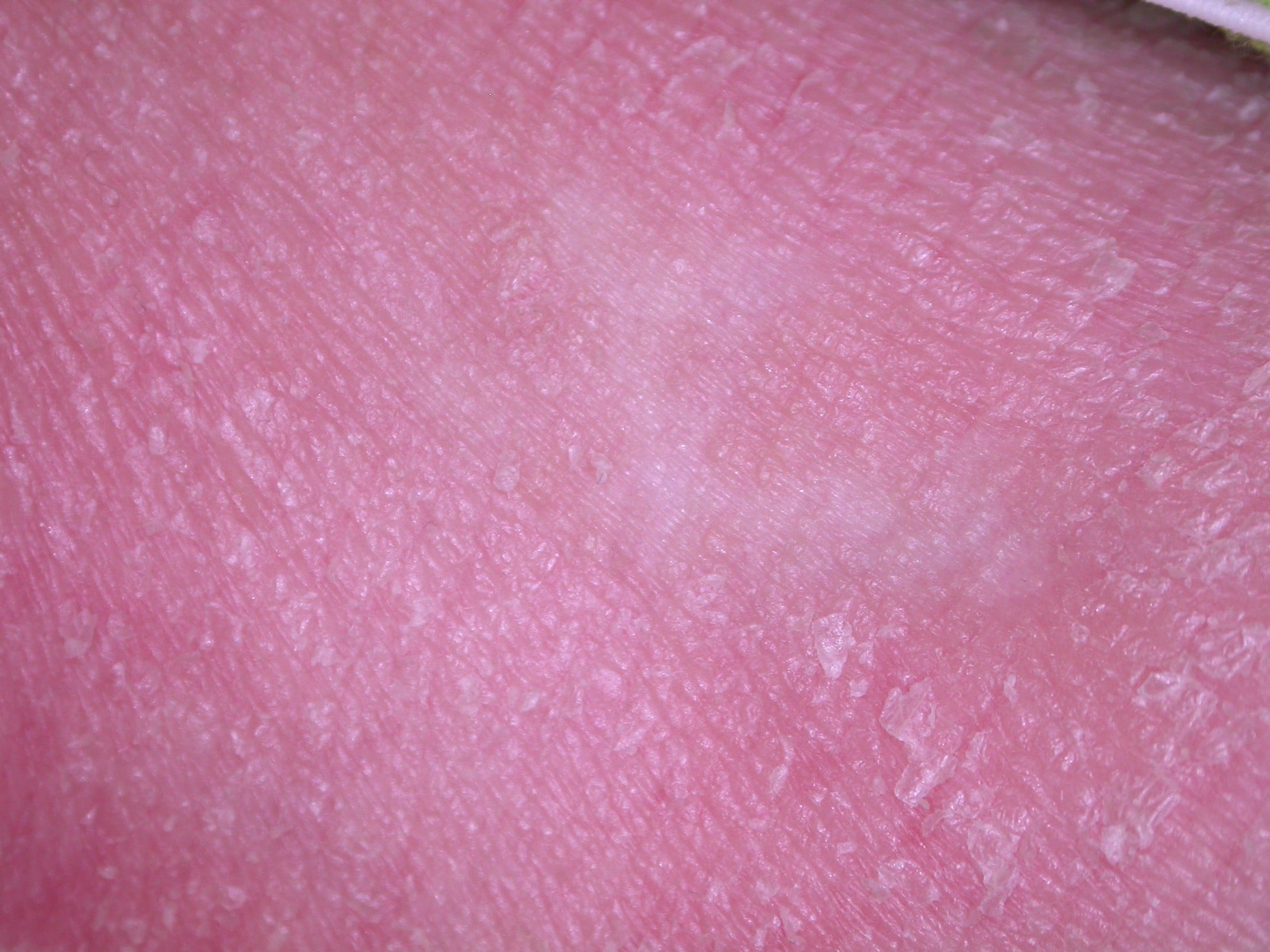
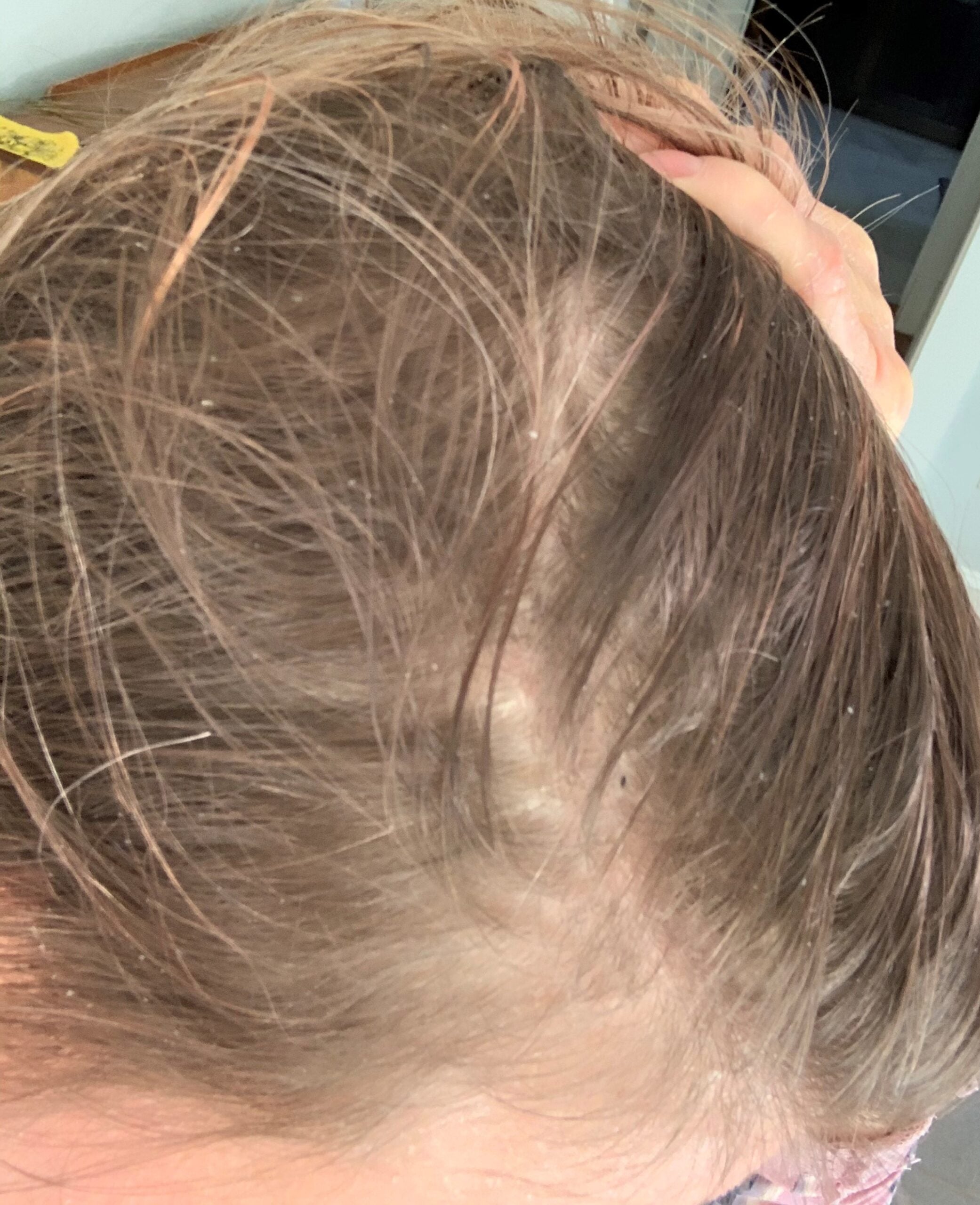
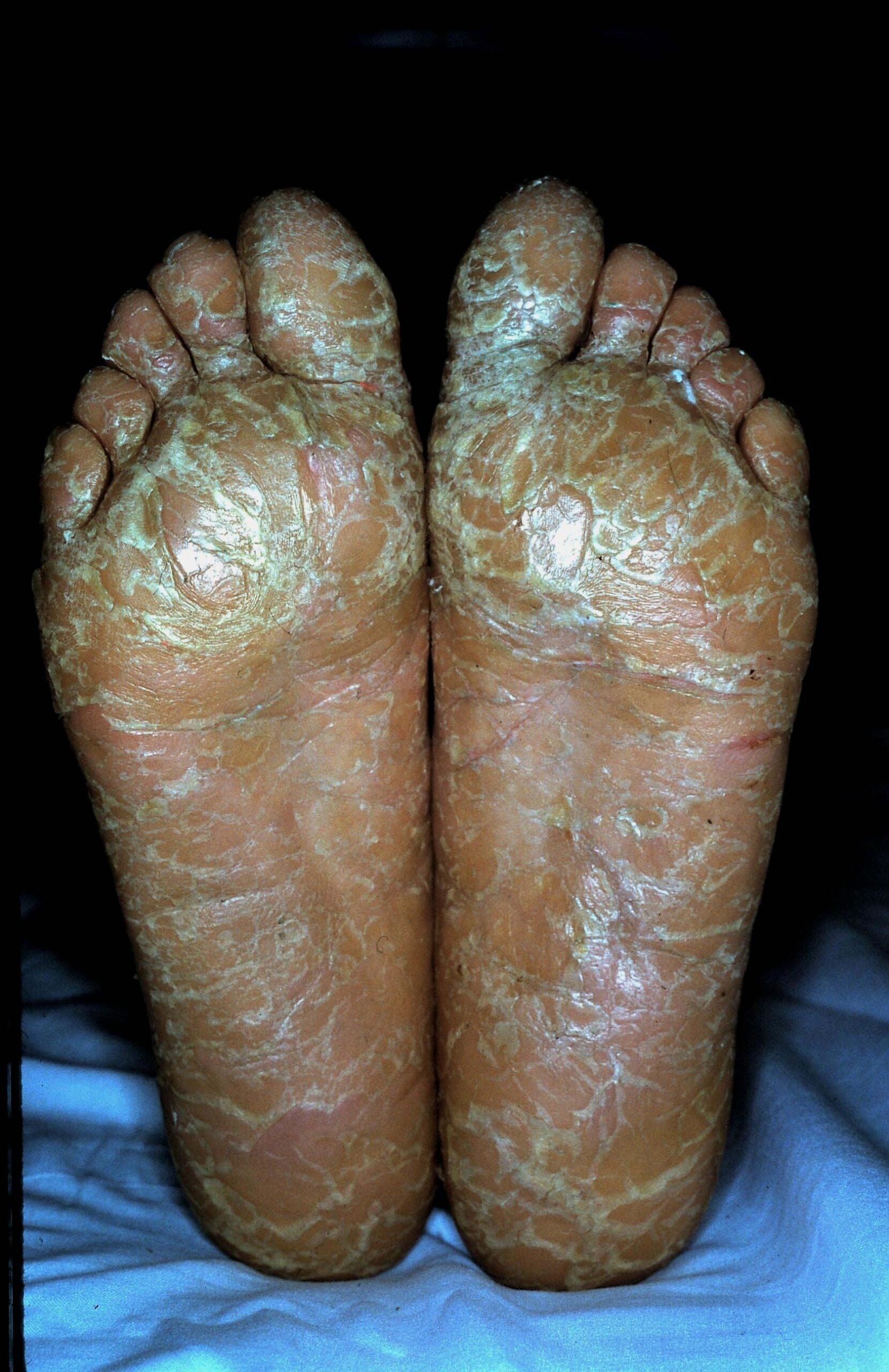
Generalized, fine, light-colored scale; skin is always red, sometimes intensely so; ectropion present, but often mild; thickening of palms, soles and flexures common; may have overlap with ARCI-lamellar ichthyosis type due to shared gene mutations. - Hair
Normal or sparse; abnormal-appearing hairs suggest other diagnoses. - Nail
Usually normal; may become dystrophic.
Associated Findings
- Usually none
Clinical Resources
- Clinicians seeking to confirm a diagnosis should visit the Edvyce portal to submit a case to experts in ichthyosis.
- Learn more about FIRST’s Resources for individuals and families affected by Ichthyosis
- Information about current clinical trials and research studies can be found here.

What are the Signs & Symptoms?
In those with the CIE phenotype, shedding of the collodion membrane reveals diffuse redness and fine white scaling of the entire skin surface (termed erythroderma). These symptoms are due to overproduction of skin cells in the epidermis that reach the stratum corneum (the outermost layer of skin) in as few as four days, compared to the normal fourteen. Since cells are produced faster than they are shed, the stratum corneum and underlying layers expand. The severity and type of scaling varies within CIE. While scale is usually fine and white on the face, scalp, and torso in CIE, scale on the legs can be large and plate-like (more like that of lamellar ichthyosis). People with CIE also may have thickened nails, or thickened skin on the palms of the hands and soles of the feet. Hair may be sparse but its structure is normal. People with CIE have an increased susceptibility to skin infection, and heat intolerance is common. Internal organs are not affected.
How is it Diagnosed?
Doctors frequently use genetic testing to help define which ichthyosis a person actually has. This may help them to treat and manage the patient. Another reason to have a genetic test is if you or a family member wants to have children. Genetic testing, which would ideally be performed first on the person with ichthyosis, is often helpful in determining a person’s, and their relative’s, chances to have a baby with ichthyosis. Genetic testing may be recommended if the inheritance pattern is unclear or if you or a family member is interested in reproductive options such as genetic diagnosis before implantation or prenatal diagnosis.
Results of genetic tests, even when they identify a specific mutation, can rarely tell how mild or how severe a condition will be in any particular individual. There may be a general presentation in a family or consistent findings for a particular diagnosis, but it’s important to know that every individual is different. The result of a genetic test may be “negative,” meaning no mutation was identified. This may help the doctor exclude certain diagnoses, although sometimes it can be unsatisfying to the patient. “Inconclusive” results occur occasionally, and this reflects the limitation in our knowledge and techniques for doing the test. But we can be optimistic about understanding more in the future, as science moves quickly and new discoveries are being made all the time. You can participate in research studies and also receive genetic testing through the National Ichthyosis Registry at Yale University or for more information about genetic tests performed you can visit GeneDx, www.genedx.com.
What is the Treatment?
References
1. Oji V, Tadini G, Akiyama M et al. Revised nomenclature and classification of inherited ichthyoses: Results of the First Ichthyosis Consensus Conference in Sore`ze 2009. Journal of the American Academy of Dermatology. 2010; 63(4): 607-641.
2. Bale SJ, Richard G. Autosomal Recessive Congenital Ichthyosis. 2001 Jan 10 [Updated 2009 Nov 19]. In: Pagon RA, Bird TD, Dolan CR, et al., editors. GeneReviews™ [Internet]. Seattle (WA): University of Washington, Seattle; 1993-.
3. Fischer J. Autosomal Recessive Congenital Ichthyosis. J. Invest. Derm. 2009; 129:1319-1321.
4. Milstone L., McGuire J., Ablow R. Premature epiphyseal closure in a child receiving oral 13-cis-retinoic acid. J Am Acad Dermatol. 1982; 7:663-666.
5. Pittsley R.A., Yoder F.W. Retinoid hyperostosis: skeletal toxicity associated with long-term administration of 13-cis-retinoic acid for refractory ichthyosis. N Engl J Med. 1983; 308:1012-1014.
- Congenital Ichthyosiform Erythroderma (CIE)
- Lamellar Ichthyosis
- Collodion Baby
- Darier Disease
- Epidermal Nevus
- Epidermolytic Ichthyosis
- Erythrokeratodermia Variabilis
- Erythrokeratodermia Cardiomyopathy Syndrome
- Harlequin Ichthyosis
- Ichthyosis Vulgaris
- Ichthyosis with Confetti
- Keratitis-Ichthyosis-Deafness (KID)
- Netherton Syndrome
- Pachyonychia Congenita
- Palmoplantar Keratodermas
- Sjögren-Larsson Syndrome
- X-Linked Ichthyosis
- Chanarin Dorfman Syndrome
- CHILD Syndrome
- Conradi-Hünermann
- Ichthyosis Hystrix with Deafness (HID) Syndrome
- Ichthyosis Hystrix Curth-Macklin
- Refsum Disease
- Trichothiodystrophy
Phenotype Names
Congenital ichthyosiform erythroderma (CIE), autosomal recessive congenital ichthyosis (ARCI); non-bullous CIE (n-CIE)
EDD Names
ALOX12B-nEDD (most common cause of CIE)
ALOXE3-nEDD
TGM1-nEDD
ABCA12-nEDD
NIPAL4-nEDD
CYP4F22-nEDD
PNPLA1-nEDD
CERS3-nEDD
SDR9C7-nEDD
SULT2B1-nEDD
LIPN-nEDD
OMIM
Inheritance
autosomal recessive in most cases
Incidence
Estimated at 1:200.000
Diagnostic Tests
Genetic testing of blood
Age of First Appearance
Birth, usually
Abnormal Gene
transglutaminase 1 (TGM1) in many cases; mutations also reported in ATP-binding cassette sub-family A member 12 (ABCA12), cytochrome P450 4F22 (CYP4F22), and ichthyin (NIPAL4).
Primary Symptom Photos