When researchers discover a gene mutation that causes a rare skin disease, it can take many years before that knowledge leads to a treatment. The journey from understanding a disease to developing a therapy involves many important steps.
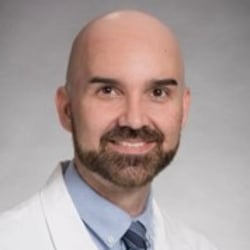
At the Simpson Lab (Dr. Cory Simpson is a member of FIRST’s Medical & Scientific Advisory Board), researchers are focused on understanding exactly how genetic changes affect skin cells and lead to symptoms seen in rare skin disorders such as Darier disease and Hailey-Hailey disease. By creating laboratory models that closely mimic these conditions, scientists can study what goes wrong inside the skin and identify potential targets for treatment.
One major challenge in rare disease research is that traditional animal models often do not accurately reproduce the disease seen in people. To address this, the Simpson Lab uses advanced techniques such as gene editing and human skin tissue models to recreate genetic skin diseases in the laboratory. These models allow researchers to test ideas and potential therapies before moving toward clinical studies.
Their research has already led to promising discoveries. For example, studies of Darier disease identified an overactive cellular pathway that may contribute to skin blistering. Researchers found that medications already approved for other conditions could potentially be repurposed to improve skin cell adhesion and reduce symptoms. While more research is needed, this approach may help speed the development of treatments because these drugs have already been tested for safety in humans.
The lab is also applying similar strategies to other rare skin disorders, including Hailey-Hailey disease and epidermolysis bullosa simplex (EBS). By studying patient-specific disease models, researchers hope to identify therapies that can be tailored to the unique genetic changes causing each person’s condition.
For individuals and families affected by rare skin diseases, this work represents an important bridge between scientific discovery and real-world treatments. Every new insight into how these diseases develop brings researchers one step closer to finding effective therapies and improving quality of life for patients.
DATE: 6/27/2026