
Living with Ichthyosis
Manage Ichthyosis By Setting Yourself Up for Success
There are now over 40 genes known to cause ichthyosis. There are many different types and subtypes of ichthyosis – how it looks and feels can drastically differ, even among the same family members. Everyone’s experience with the condition and how it affects their day-to-day life is different. It can be hard to give any universal advice about treatments or how best to manage the condition. But here are some tips that may help you or your loved one:
1. Learn about your condition
Because most types of ichthyosis are rare, parents and people living with the disease often end up knowing more than most skin doctors. It’s important to be wary of what you might find online. Much of the information may be inaccurate, tout miracle cures with no evidence, or needlessly cause anxiety or paint a bleaker picture than what you might find to be true in living with the condition.
It’s not easy living with a chronic and rare skin condition, but many people have found ways to lead happy, comfortable and productive lives. The Foundation for Ichthyosis & Related Skin Types offers trusted information and support, as well as a chance to meet other people with these conditions.
Because most types of ichthyosis are rare, parents and people living with the disease often end up knowing more than most skin doctors. It’s important to be wary of what you might find online. Much of the information may be inaccurate, tout miracle cures with no evidence, or needlessly cause anxiety or paint a bleaker picture than what you might find to be true in living with the condition.
It’s not easy living with a chronic and rare skin condition, but many people have found ways to lead happy, comfortable and productive lives. The Foundation for Ichthyosis & Related Skin Types offers trusted information and support, as well as a chance to meet other people with these conditions.
2. Be proactive about staying as healthy as possible
It’s much easier to manage any chronic condition when you’re otherwise healthy. Take the time to take care of yourself.
It’s much easier to manage any chronic condition when you’re otherwise healthy. Take the time to take care of yourself.
- Good nutrition is important, especially for young children who burn more calories than their same size peers because of the loss of water through the skin. Vitamin D may be low too because many people with ichthyosis cover up or stay out of the sun. Pay attention to what you eat to fuel your body. Be sure to choose healthy foods and stay hydrated.
- Build in time to be active and move your body. Physical activity is important for your mental and physical health. Find activities that you enjoy and are comfortable for you and don’t lead to overheating.
- Speak up if you consistently feel down, depressed or lose interest in activities or hobbies you used to enjoy. Your social and emotional health is just as important as how you feel physically.
- Don’t use tobacco or vape. If you do smoke, set a date to quit and ask for help.
- Keep up with your health visits and regular check-ups. Life gets busy, but these appointments help you and your care team catch any issues early on, when they are most treatable.
- Get vaccinated against COVID, the flu and other vaccine-preventable diseases to avoid getting illness and related health issues.
3. Think about your environment
For most people with ichthyosis, cold and dry temperatures or forced air heat can make the skin more brittle and may affect how someone feels overall. For most people with ichthyosis, cold and dry temperatures or forced air heat can make the skin more brittle and may affect how someone feels overall.
For most people with ichthyosis, cold and dry temperatures or forced air heat can make the skin more brittle and may affect how someone feels overall. For most people with ichthyosis, cold and dry temperatures or forced air heat can make the skin more brittle and may affect how someone feels overall.
4. Put together and carry a personal skin care kit
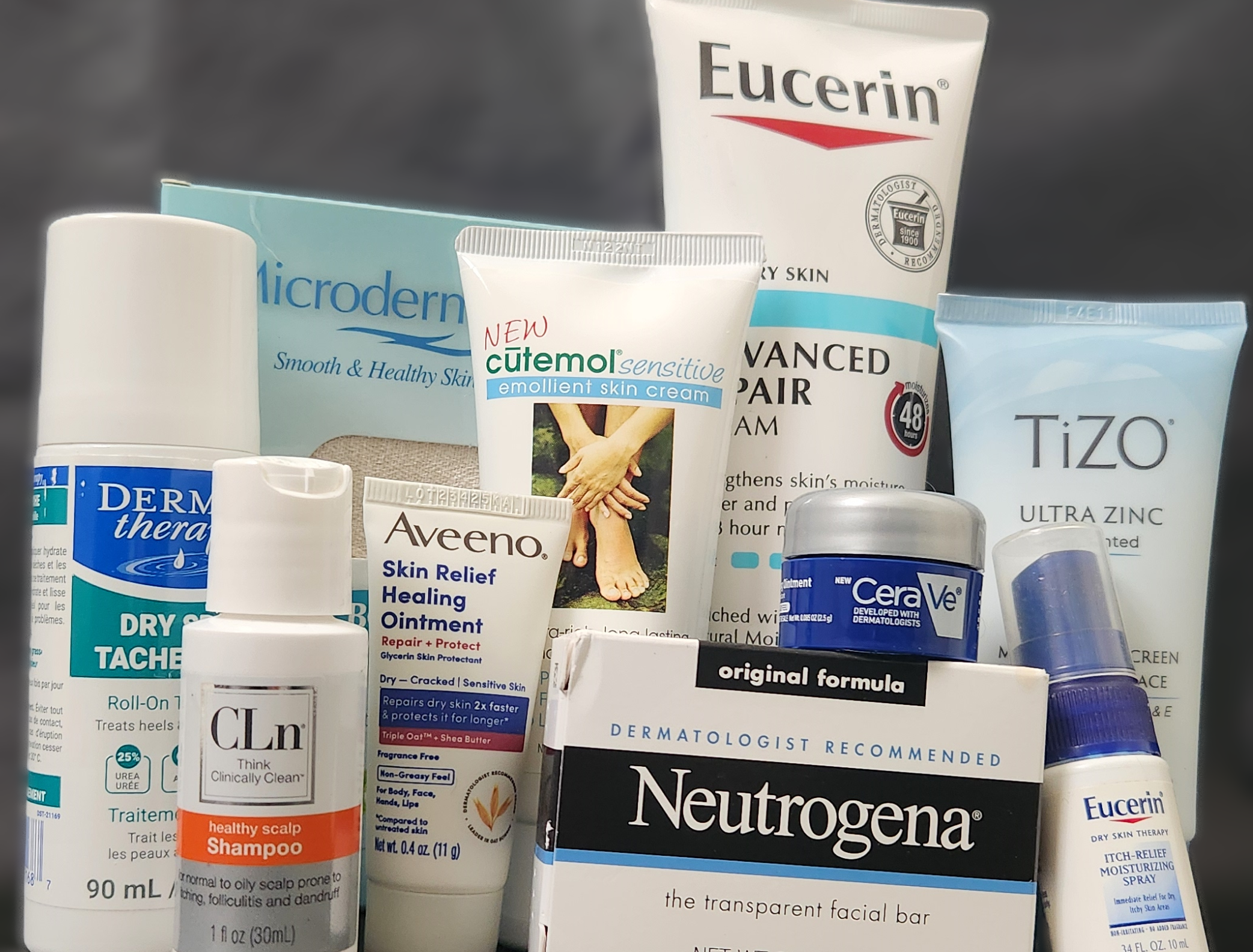
Think about your go-tos for taking care of your skin, especially if you are out and about and need something – for example, sunscreen, antibacterial ointment, a hat, cooling cloth, pain or fever reducer, or eye drops.
Think about your go-tos for taking care of your skin, especially if you are out and about and need something – for example, sunscreen, antibacterial ointment, a hat, cooling cloth, pain or fever reducer, or eye drops.
5. Build your support network
It can feel very isolating and scary to find out you or a child has ichthyosis. Talking with other people who live in your skin so to speak can be very helpful, especially as you’re able to share stories and tips.
It can feel very isolating and scary to find out you or a child has ichthyosis. Talking with other people who live in your skin so to speak can be very helpful, especially as you’re able to share stories and tips.
6. For parents, know that ichthyosis likely bothers you more than your child. Give your child responsibility and a sense of ownership over their skin care as early as possible.
They’ll eventually need to learn how to care for their skin and what to watch for that might signal problems (for example, signs of infection, skin breakdown, etc.). They are also in the best position to know and communicate what hurts or if they feel overheated.
They’ll eventually need to learn how to care for their skin and what to watch for that might signal problems (for example, signs of infection, skin breakdown, etc.). They are also in the best position to know and communicate what hurts or if they feel overheated.
7. Have patience. Finding a daily skin care routine may be trial and error, especially at first.
Ichthyosis can vary in how it presents – even among family members. That means the creams or bathing schedules that work for one person, may not work for you. Almost everyone with ichthyosis benefits from long baths usually with various additives and then applying a cream afterward.
Ichthyosis can vary in how it presents – even among family members. That means the creams or bathing schedules that work for one person, may not work for you. Almost everyone with ichthyosis benefits from long baths usually with various additives and then applying a cream afterward.
8. Find a dermatologist who you trust
Do they know about your specific condition and help coordinate with your other doctors to care for you as a whole person? Having ichthyosis can affect other systems in your body, for example your joints, which can affect mobility, or your ears or your eyes. It’s important for all of your care providers to be on the same page.
Do they know about your specific condition and help coordinate with your other doctors to care for you as a whole person? Having ichthyosis can affect other systems in your body, for example your joints, which can affect mobility, or your ears or your eyes. It’s important for all of your care providers to be on the same page.
Related Information

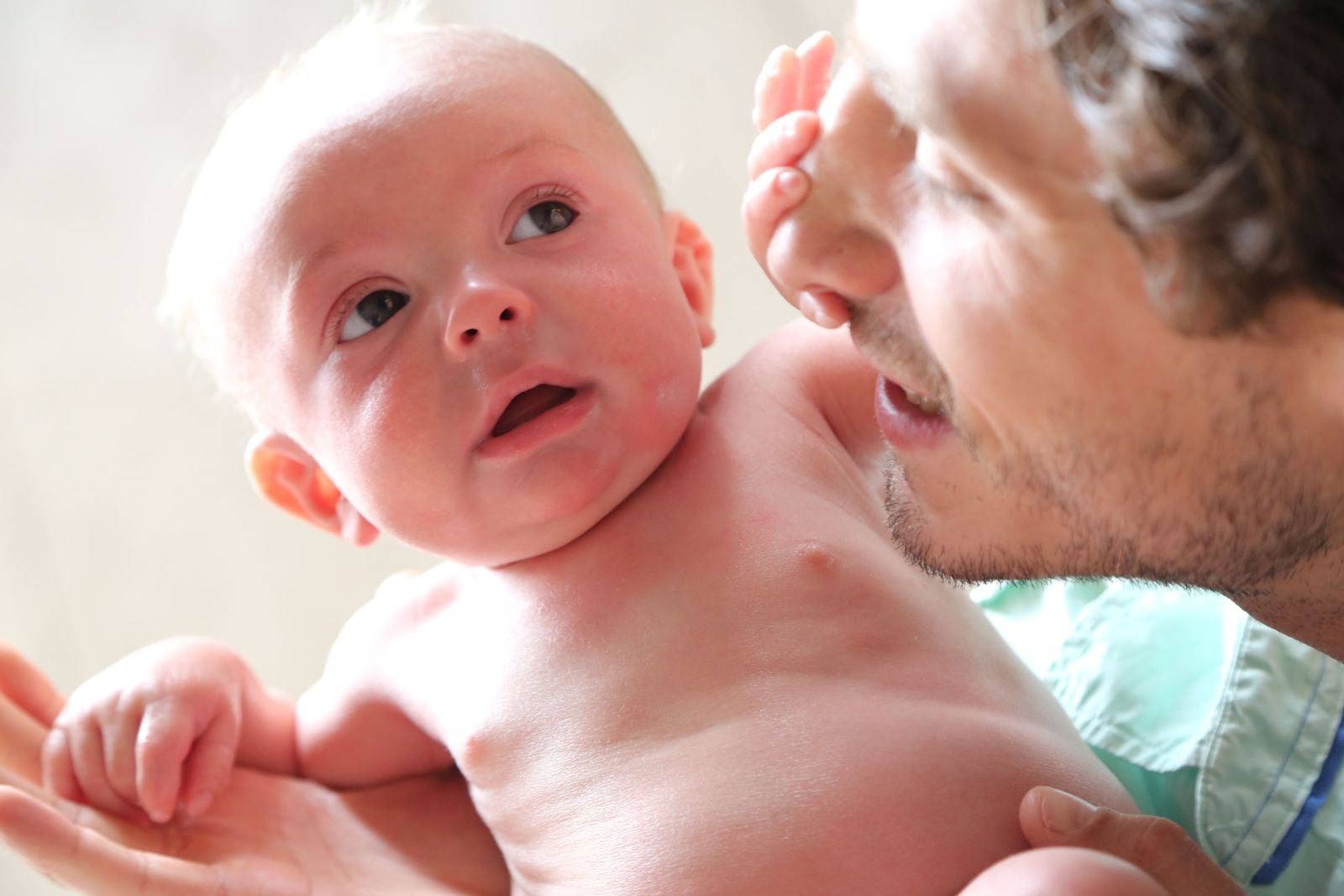
Are you a new parent?
We have information to help you navigate caring for your child with ichthyosis
Learn more

Genetic Diagnosis?
Have you received your genetic diagnosis from your doctor?
Let us know.

National Conference
Join us in Minneapolis for the 2026 National Conference. Connect, share, and support others with Ichthyosis. Learn more here.